How Much Does a Website Cost in South Africa? The Honest 2027 Guide

What a website costs in South Africa is one of the great unsolved mysteries of local business, right up there with why taxi fares change at month end and where all the teaspoons go. Quotes for the same five-page site can swing from R1,500 to R150,000, and every quote is delivered with total confidence. So here is the honest, fun, no-nonsense guide to what you are actually paying for, why the numbers are wild, and how to spend like a grown-up in 2027.
No jargon. No agency smoke. Just the real 2026 price data from actual South African surveys, the hidden costs nobody quotes you, and a simple way to tell a bargain from a money pit. By the end you will know exactly what your business should pay, and more importantly, what it should expect to get back.
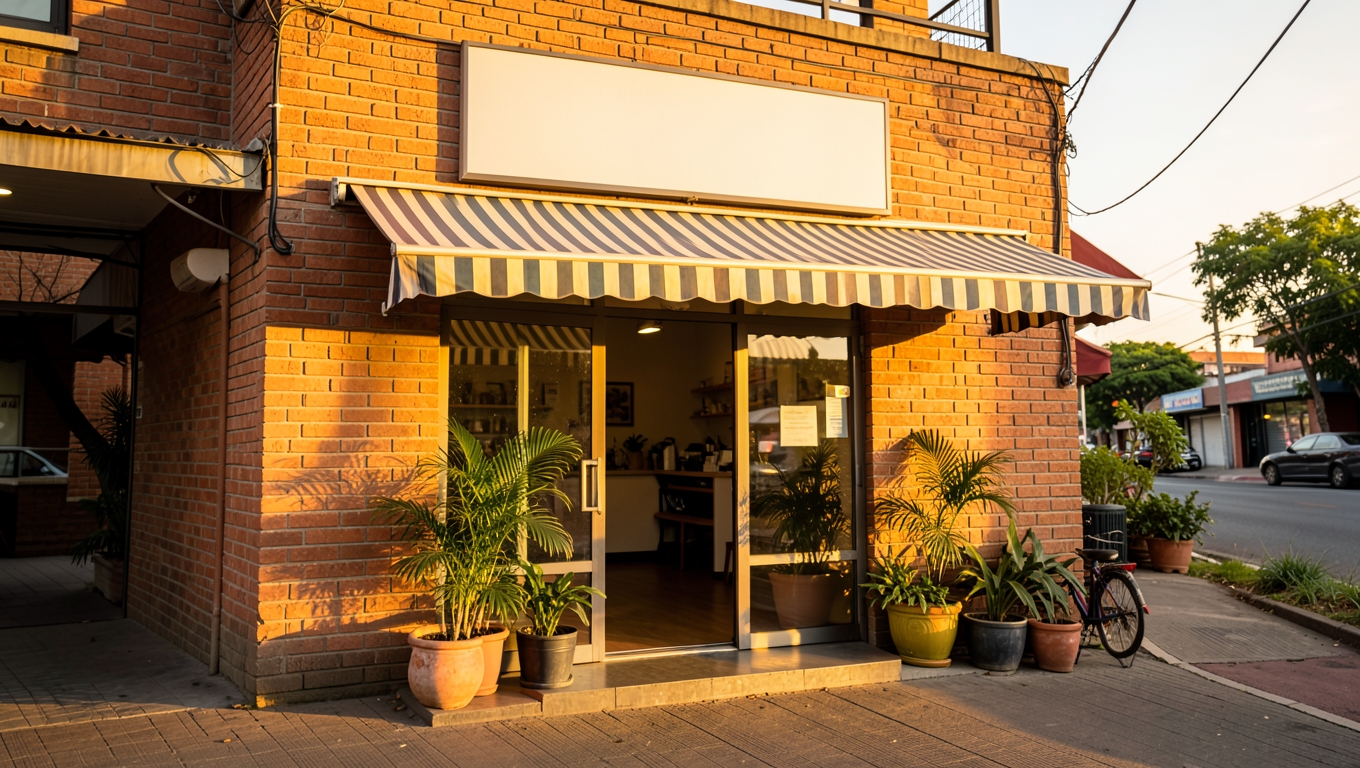
Your website is the storefront that never closes: the question is what you paid for the shop inside.
The Short Version: Website Prices in 60 Seconds
Landing pages start tiny. One-pagers run from around R1,580 to R3,765 depending on the provider, per Bunnypants' 2026 price guide and SME Rocket's survey of 56 South African agencies.
The sweet spot costs less than you think. A proper five-page small business site averages about R6,634, with most agencies landing between R5,000 and R20,000.
Custom platforms are a different sport. Booking systems, portals and big e-commerce builds start around R18,000 and can pass R100,000.
Cheap is expensive when it is wrong. The cheapest quote often excludes content, SEO and the work that makes a website actually earn.
The real question is return. A website is not a cost, it is a salesperson who works 24/7. Price it like you would price a hire.
A website quote in South Africa can range from R1,500 to R150,000 for the same five pages. The difference is almost never the code. It is what the code is asked to do.
Website type | Typical 2026 price range |
One-page landing site | R1,580 to R3,765 |
Five-page small business site | R5,000 to R20,000 (average around R6,634) |
E-commerce store | R7,580 to R25,000 |
Corporate website | R16,900 to R40,000 |
Custom platform, portal or booking system | R18,000 to R100,000+ |
Why Do Website Quotes in South Africa Swing So Wildly?

The cheapest website quote moves the cost somewhere you cannot see it yet.
Because "a website" means five completely different products depending on who you ask. To a freelancer it means a template, four pages of text and a contact form. To an agency it means strategy, copywriting, photography, development, search optimisation and a training session. Both are called a website, which is why the quotes look like they came from different planets.
One South African cost guide describes the range bluntly: from R500 for what is essentially a digital pamphlet that says "Hi, I exist", up to R150,000 and beyond for a full online empire that could probably run a small country. Most healthy small businesses, the guide notes, land between R3,000 and R10,000 for a standard site, while other 2026 price lists put entry packages from R1,990 and full corporate builds from R16,900. None of these people are lying. They are selling different amounts of work.
Then there is the speed question. Procompare's 2026 guide lists simple CMS sites at R3,800 to R6,300, business websites at R7,500 to R20,000, and custom builds at R38,000 to R88,000. The gap between the bottom and top rows is not greed. It is scope: pages, integrations, functionality, and how much of the thinking and writing the client expects to be done for them.
And the market itself is moving fast. South Africa's digital economy is no longer a side hustle: 51.7 million South Africans now use the internet, a penetration rate of 79.6%, and the majority of them reach it on a mobile phone. Every one of those connections is a possible customer of someone. The only question is whose website they land on.
What Are You Actually Paying For?
Strip the jargon and every website invoice pays for five things. Understanding them is how you stop being confused and start being dangerous in the quote meeting.
Strategy and structure. Deciding what the site must achieve, who it serves, and what happens on every page. This is the part cheap quotes skip, and it is the part that decides whether the site sells.
Design. How it looks and feels, especially on a phone. With more than 70% of online traffic in South Africa coming from mobile devices, mobile-first is not a buzzword, it is the whole shop floor.
Development. The actual building, testing and launching. This is the visible cost everyone compares, and the least important one to shop on price alone.
Content. Words, photos and structure. The single most under-budgeted line in every South African web project.
Aftercare. Hosting, security, updates, backups and improvements. The monthly retainer that keeps the asset alive.
When a quote looks too cheap, one of those five is missing. When it looks too expensive, one of those five is being done extremely well, or the agency is simply charging for its brand. Both happen every day in this market. Your job is to know which one you are looking at.
The cheapest website quote is never actually cheap. It just moves the cost somewhere you cannot see it yet.
Where Do Cheap Websites Actually Cost You?
Here is the fun part, and by fun we mean mildly painful. A R2,000 website is not a scam. It is a trade: you save money now and pay in invisible ways later. The trade only works if you know you are making it.
Speed kills. Google research shows 53% of visitors leave a page that takes longer than three seconds to load. A slow bargain site quietly loses half your visitors before they see anything.
Invisibility. No structure, no meta details, no content strategy means Google, which carries 91.75% of South African search traffic, has nothing to show. You built a billboard in a forest.
Mobile misery. If the site squashes, zooms or hides the buy button on a phone, you have excluded the majority of your market in one silent decision.
Abandonment. Templates get orphaned. Hosting lapses. Domains expire. The R2,000 site becomes a dead link with a broken padlock, which is worse for trust than no site at all.
The rebuild. Eventually you pay for the good website anyway, having also paid for the bad one. This is the most common and most expensive route in South African small business.
What you skimp on | What it quietly costs you |
Strategy and structure | A pretty site that nobody can buy from |
Mobile design | Losing the 70%+ of South Africans browsing on phones |
Speed | 53% of visitors gone in three seconds |
Search foundations | Invisibility on the platform holding 91.75% of SA search |
Content | Traffic that arrives, reads nothing persuasive, and leaves |
So What Should Your Business Actually Budget?
Here is the honest 2027 answer, calibrated to real South African numbers rather than dreams. If you are a new business that needs to exist online this month, a R3,000 to R6,000 starter site is a perfectly respectable first step, provided you treat it as phase one and not the finished article. If you are an established business that wants the website to actually generate enquiries, budget R8,000 to R25,000 for the build, plus a small monthly amount for care. That is a fraction of one year of part-time sales help, and it works nights.
The pattern that genuinely pays is this: spend on the parts that earn, phase the parts that impress. A clean, fast, well-written five-page site that ranks and converts will beat a sprawling R80,000 brochure every single time. And remember what you are comparing against: if the site brings in just one extra deal a month, most of these budgets pay for themselves inside a quarter. That is the only maths that matters.
Know your number before you ask. Walk into the quote conversation with a budget range and a goal, not a blank face.
Ask what is excluded. Content, photography, SEO setup, training and maintenance are the usual suspects.
Ask what happens in month two. A good agency has an answer. A template seller does not.
Check the mobile experience first. Open three example sites they built on your phone, on a slow connection, in bright sunlight.
Treat the domain properly. Your .co.za name is part of the country's proud tech story: South Africa recently crossed 1.5 million .ZA domain registrations, so you are in good company.
The right website budget is not the cheapest quote you can find. It is the smallest amount that gets you a site that pays for itself, and then some.
What About Doing It Yourself?
Building your own site with a website builder is a legitimate choice, and for a side hustle or a first landing page it is often the smart one. You will learn a lot, spend R100 to R500 a month on tools, and get something live. What you will not get, unless you happen to be a copywriter and a designer in your spare time, is the three things that make sites earn: a clear strategy, persuasive words, and search structure.
The honest split looks like this. If your product is simple, your budget is tiny and your time is plentiful, DIY works fine as a start. If enquiries are the lifeblood of your business, spend the money. The gap between a hobby site and a business site is not the design. It is that one is built to exist and the other is built to be found, trusted and bought from, by humans and increasingly by the AI assistants many South Africans now ask for recommendations before they buy.
DIY works when: the product is simple, the budget is tight, and you enjoy tinkering. Treat the first version as practice, not perfection.
Hire when: the site must bring in enquiries, rank on Google, or carry your brand properly. That is skilled work on a deadline.
Hybrid works best of all: build the skeleton yourself, then pay a professional to write the words and set the search foundations. Cheapest smart money you will spend.
Never hire on price alone: the same site sells for R6,000 and R60,000. Compare what is included, not just the number at the bottom.
DIY teaches you what you do not know. Hiring a professional is how you stop paying tuition fees to your own website.
What Should You Do Next?
Get three quotes, not one, and ask each provider the same four questions: what does my site need to achieve, what is included and excluded, what happens after launch, and can I see a site you built that still performs today. Compare answers, not just numbers. The provider who talks about your customers more than their template is the one worth the higher number. And when the site is live, keep the content working: small businesses are 23% more likely than average to see returns from publishing helpful content, and the same discipline that makes a blog work also keeps a website earning.
And if you want a partner who builds the site and the strategy around it, that is our whole job. Look at what we deliver on our services page, see work we have delivered, read the standards we hold ourselves to on the about page, and book a free strategy call with your budget range and your goal. You can also browse every guide on our blog, including how to prepare your business for 2027 and what the LekkeSlaap story teaches South African brands. Spend once, spend wisely, and let the thing work while you sleep.
Website Costs in South Africa: Quick Answers
How much does a website cost in South Africa in 2026?
A one-page site costs around R1,580 to R3,765. A standard five-page small business website runs from roughly R5,000 to R20,000 and averages about R6,634. E-commerce stores sit around R7,580 to R25,000, corporate sites from R16,900, and custom platforms from R18,000 into six figures.
Why is there such a huge gap between website quotes?
Because providers sell different amounts of work under the same word. A cheap quote usually covers design and development only. A higher quote covers strategy, copywriting, photography, search setup, training and ongoing care. Compare what is included, not just the bottom line.
Is a cheap website worth it for a small business?
As a first step, often yes, if you understand the trade. You save money now and accept limits on speed, mobile experience and search visibility later. If enquiries drive your revenue, a slightly bigger investment in a site built to convert will usually pay for itself within a few months.
What ongoing costs should I expect after launch?
Budget for hosting and domain renewal, security and updates, and either content improvements or marketing. Many South African agencies charge monthly retainers from a few hundred rand for care plans upward, depending on scope. The site is an asset, and assets need maintenance.
Should I build my own website or hire someone?
Build it yourself if your budget is tiny, your time is plentiful and the site is simple. Hire a professional when the site must generate enquiries, rank on Google or work hard on mobile. The difference is not just design, it is strategy, words and search structure working together.
How long does it take to build a small business website?
A simple five-page site typically takes two to four weeks once content is ready. Delays almost always come from unresolved content, not development. Turn up with your text and photos in hand and the project moves fast.
A website in South Africa is not a lottery. It is a purchase, and like any purchase it has a fair price for what you need. Know the tiers, ask the four questions, expect to spend between R5,000 and R20,000 for a serious small business site, and insist on getting one that earns. Your future customers are already searching. Make sure they find something worth finding.


Comments