Selling Online in South Africa: The Honest Guide to Starting an Ecommerce Business

Selling online in South Africa in 2027 is a bit like learning to braai: everyone thinks they can do it, most people start with too much enthusiasm and too little patience, and the ones who win are the ones who measured something before the meat went on. The good news is the fire is already burning hot. South African shoppers have moved online in force, and the businesses winning their rands are not the biggest ones. They are the clearest ones.
This is the honest guide to starting an ecommerce business in this country: what to sell, whether to pick a marketplace or build your own store, what it actually costs in rands, the legal boxes to tick, and the mistakes that quietly kill new online stores before their second birthday.
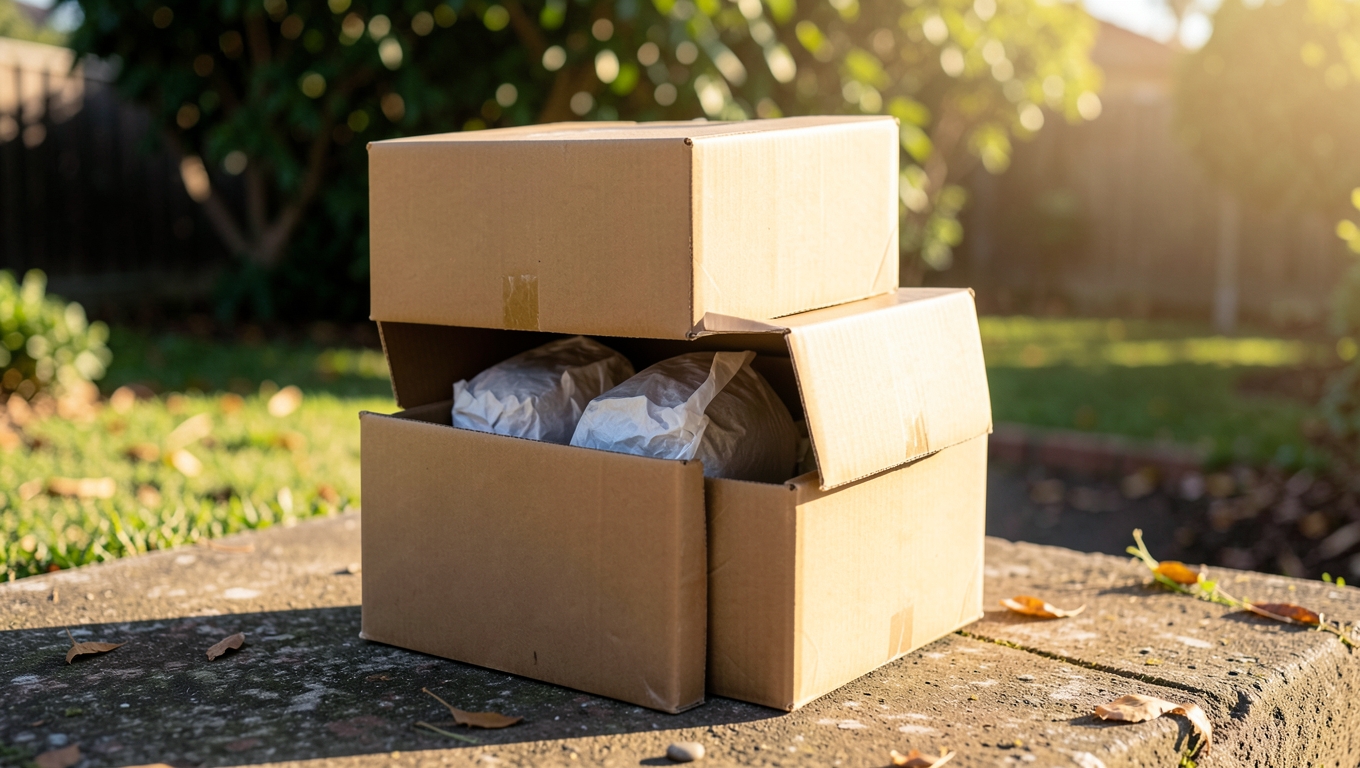
Every parcel that leaves a South African doorstep started with somebody deciding to try.
The Short Version: Selling Online in South Africa in 60 Seconds
The market is past the tipping point. South African ecommerce revenue reached about US$5.5 billion in 2025, growing 20 to 25% year on year, and online's share of retail is heading from 5 to 10% toward 10 to 15%.
Shopping habits are compounding. Nearly 30% of local shoppers now buy from local platforms at least weekly, up from 21% in 2025, and three quarters shop online monthly or more.
You do not need to be big to start. Most new stores begin with one product line, one channel and a courier contract. Scale comes later, profit comes first.
Trust beats price. Clear photos, honest stock counts, fast replies and easy returns win more baskets than being the cheapest listing on the page.
Start small, measure weekly. Prove one product before you buy stock for three. Enthusiasm is not a growth strategy.
Online retail in South Africa is not a gold rush anymore. It is a trust business with a website attached.
Where to sell | Best for | Watch out for |
Takealot and other marketplaces | Instant access to shoppers who already browse there | Commission fees and price wars against sellers of the same thing |
Your own online store | Brand building, better margins, owning your customer list | You own the traffic problem and the marketing |
Social and WhatsApp selling | Personal service, repeat buyers, quick conversations | Admin gets messy fast, so use WhatsApp Business from day one |
Why Should You Sell Online in South Africa Now?

The store is the easy part. The honest offer and the fast replies are the business.
Because the shelves are still being built. Industry forecasts expect the market to roughly grow from about US$42 billion to over US$60 billion by 2031, and longer-range projections see it nearly doubling by the mid 2030s. The platforms, the couriers and the payment rails have all matured. What has not matured is the number of well-run small stores serving specific, local niches.
The competitive advantage in South African ecommerce is not secret tactics. It is doing the boring things properly while everyone else copies overseas advice that assumes free next-day delivery. Local data keeps confirming that online shoppers reward stores that communicate clearly about delivery times, costs and returns, because that is where most stores fail.
The growth is spread across categories. Clothing, electronics, home goods and hobby products all show strong online sales, so niche does not mean tiny.
Delivery is the battleground. Shoppers will pay a fair delivery fee. They will not forgive silence after payment, so choose a courier you can track.
Trust signals sell. Real photos, clear sizing, visible contact details and honest reviews beat a beautiful banner every time.
Small and local can win. Same-city delivery, genuinely helpful advice and quick WhatsApp replies are advantages a giant retailer cannot copy.
The question is not whether South Africans buy online. They do, weekly. The question is whether they will find you while doing it.
How Do You Choose Between a Marketplace and Your Own Store?
You do not have to choose forever, but you do have to choose first. A marketplace gives you traffic on day one and takes commission in return. Your own store gives you margin and customer data, but you become responsible for getting every visitor there. Most successful small sellers start on one platform, learn what actually sells, and only then expand.
Start where the shoppers already are. A marketplace listing is the fastest way to test whether anyone wants your product at your price. Selling on Takealot in 2026 is a well-documented, low-risk first step for many products, and local seller guides walk through the practical setup.
Watch the real cost per sale. Commission plus fulfilment fees can quietly take a third of your selling price. Model it before you list, not after.
Build your own store when the maths says so. Compare local ecommerce platform options for costs, payment gateways and courier integrations before deciding.
Keep customers, not just sales. On marketplaces you rent an audience. On your own store and WhatsApp list, you own the relationship.
Run both when ready. Plenty of South African sellers use a marketplace for reach and their own store for margin on repeat buyers.
Marketplaces are a launch pad, not a destination. Use them to learn what sells, then give your best customers a reason to buy from you directly.
What Does It Really Cost to Sell Online in South Africa?
Enough to matter, less than most people fear, and far less than a physical shop with rent and staff. The trick is knowing which costs are one-off and which ones recur every month, because the recurring ones kill hobby stores. Here is the honest monthly picture for a small South African store doing about R20,000 in sales a month.
Monthly cost | Typical amount |
Store platform | R0 to R300 |
Payment gateway fees | 2 to 5% of sales |
Courier costs | R60 to R120 per parcel |
Packaging | R5 to R15 per order |
Marketing | R500 to start, scale with profit |
Your store platform: from free or a couple of hundred rand a month for a proper hosted store. See our honest breakdown of what a website costs in South Africa for the full picture.
Payment gateway fees: typically 2 to 5% per transaction, plus a small per-payment fee. Bake this into your pricing from the first sale.
Delivery: courier costs of roughly R60 to R120 per parcel for mainstream routes. Decide clearly who pays and say it on every product page.
Stock and packaging: the cost people forget. Proper boxes, tape and a thank-you card are cheap; they also get you photographed and shared.
Marketing: your first R500 a month should go to the audience you already have: WhatsApp status, Facebook groups, friends of customers. Paid ads come second, once the offer is proven.
If a store does not cover its own platform fee and courier bill within 90 days of launch, the problem is usually the offer, not the platform.
What Legal Boxes Must You Tick Before You Start Selling?
Fewer than you think, but skipping them is expensive later. If you sell to the public as a business, you are a business in the eyes of the law, and the paperwork wants to match. The good news: most of it can be done online in an afternoon.
Register your business. A CIPC registration costs about R175 and takes days, not months. It also opens business bank accounts and payment gateways that never approve individuals.
Protect customer data. Under POPIA, every business that keeps customer names, addresses and phone numbers has duties. Keep consent records, do not share lists, and know what the Information Regulator expects.
Be straight about pricing and delivery. The Consumer Protection Act frowns on hidden costs and vague delivery promises. Say the real price, say the real timeline.
Keep records from sale one. A simple spreadsheet of income, costs and courier receipts will save your future self a tax-season headache.
Get your VAT question answered early. Once turnover approaches R1 million a year, VAT registration becomes a conversation, not a surprise.
The paperwork is not the dream, but it is the difference between a nice side hustle and a business you can eventually sell.
What Mistakes Kill New Online Stores?
The same handful, over and over, in every province. Learning them from a blog post is much cheaper than learning them from a garage full of unsold stock.
Buying stock before proving demand. Order five units, sell five, then order more. Pre-orders and small first orders are not unambitious, they are smart.
Photographing products like an afterthought. Bad phone photos on a sunny windowsill outsell beautiful catalog shots of the wrong product, but great photos of the right product outsell everything.
Ignoring replies for two days. In a market where WhatsApp is where customers ask how much, slow replies are lost sales. Nobody leaves a voice note for a store that vanished.
Competing only on price. Someone will always undercut you from their back room. Compete on service, speed and knowing your customer's name.
Spending the first profit on ads. Profitable ads scale a proven offer. They cannot rescue an offer nobody wanted at a price nobody will pay.
Quitting in Januworry. January is slow for everyone. The stores that survive it are the ones that planned for it in October.
Nobody fails at ecommerce because the website was not pretty. They fail because nobody knew the store existed, or believed it enough to pay first.
What Should You Do Next?
Pick one product you can source reliably, price it honestly, and get it in front of real buyers within two weeks. Choose one channel, do it properly, and measure three numbers weekly: orders, average basket value and delivery complaints. That is the whole formula. Everything else is refinement.
And if you would rather build this with someone who has walked the road, from positioning to store setup to the content that gets found on Google and by AI assistants, that is literally what we do. See what we deliver on the services page, browse work we have shipped, read how we think about this market, and book a free strategy call. You can also read how to make content that stops the scroll, or browse every guide on our blog. Start small, sell honestly, and let your customers do the rest of the marketing.
Selling Online in South Africa: Quick Answers
Is it worth starting an online store in South Africa in 2027?
Yes, for specific, well-run offers. The market is growing 15 to 25% a year and shoppers have permanent online habits, but success goes to stores with a clear product, honest pricing and reliable delivery rather than to everyone who opens a store.
How much money do I need to start selling online in South Africa?
Many sellers start with under R2,000: a small first stock order, basic packaging and a store platform on a free or low-cost tier. The bigger investment is consistent work on photos, replies and follow-ups for the first three months.
Should I sell on Takealot or my own website first?
Most new sellers should test on a marketplace like Takealot first, because shoppers are already there and the risk is low. Once you know your product sells at a price that works, build your own store to earn better margins and own the customer relationship.
Do I need to register a company to sell online?
Not strictly for a small side hustle, but registering with the CIPC for about R175 opens business bank accounts and payment gateways, looks professional on invoices, and protects your personal assets if something goes wrong.
How do I get paid when I sell online in South Africa?
Use a local payment gateway linked to your bank account, or a marketplace's built-in payment system. Expect fees of roughly 2 to 5% per transaction, and never ship before payment clears, especially with new customers.
How long does it take to make a profit from an online store?
With a proven product and controlled costs, many small stores reach monthly profit within three to six months. If a store cannot cover its platform and delivery costs within 90 days of real selling effort, change the offer before spending more.
Selling online in South Africa rewards the patient and the clear. The couriers run, the gateways work, and the shoppers are already browsing. Somewhere between the first parcel taped shut and the first repeat customer, a side hustle becomes a business. That journey starts with one honest product and one real buyer, and there has never been a better year to begin it.


Comments