How to Start a Business in South Africa in 2027: The Honest Step-by-Step Guide

Starting a business in South Africa in 2027 is more achievable than most people think, and the paperwork is genuinely the smallest part of it. Registering a company costs about R175 and takes a few days online. The hard part is everything around it: choosing the right structure, knowing what to register afterwards, and building something customers actually pay for. This is the fun, honest, no-nonsense guide to the whole journey, from the moment you decide to the day you send your first invoice.
No motivational fluff and no legal fog. Just the real steps, the real costs in rands, the mistakes that cost new businesses the most time, and the mindset that separates the ones that last from the ones that fold in year two. If you have been sitting on an idea, this is your sign, and your checklist.

Every South African business starts the same way: one small step on an ordinary morning.
The Short Version: Starting a Business in 60 Seconds
It costs about R175. Registering a private company with the CIPC through BizPortal runs about R175 and takes one to three working days, all online.
You can be a sole proprietor for free. No registration needed to start trading under your own name, but you carry all the risk personally.
The register-first trap. Many new businesses register a company, print the certificate, and then wait for customers who never come, because nobody built an audience first.
Compliance has dates. SARS income tax registration follows within 60 days, annual returns cost from R100, and skipping them quietly builds penalties.
Sales solve everything. The best structure, logo and bank account mean nothing until a stranger pays for something you made. Start there, in parallel.
South Africa does not have a business registration problem. It has a getting-found-and-paid problem. The R175 is the easy part.
Step | Cost | Time |
Reserve a company name (optional) | About R50 | Same to next day |
Register a private company (Pty Ltd) | About R175 | 1 to 3 working days |
Register for income tax at SARS | Free | Within 60 days of incorporation |
Business bank account opening | From about R200 | A few days to weeks |
Annual CIPC return | From R100 per year | Once a year |
Should You Register a Company or Stay a Sole Proprietor?
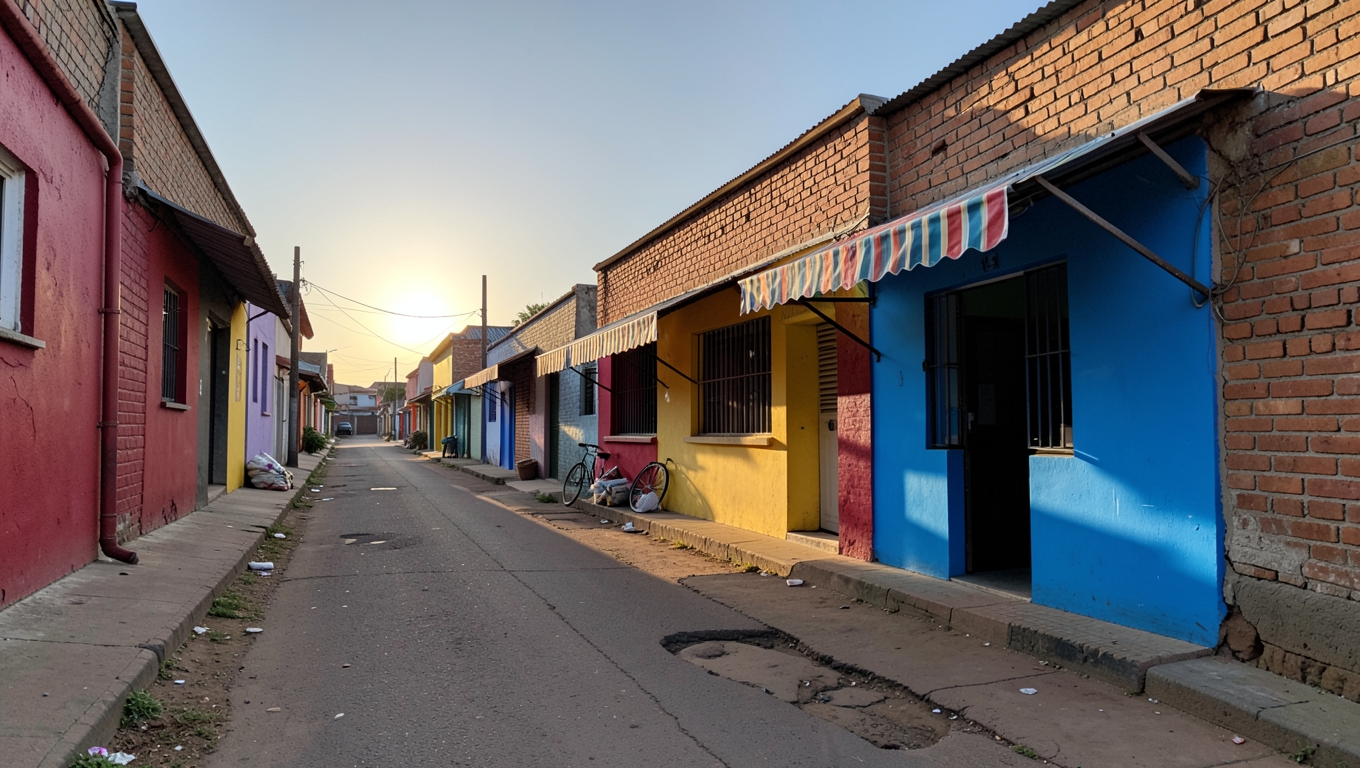
Every one of those doors is somebody who decided not to wait for permission.
This is the first real decision, and the answer is more practical than legal. A sole proprietor trades as themselves: no registration fee, simplest admin, and all profits are simply your income. The catch is exposure. If something goes wrong, your personal assets are on the line, and bigger clients and corporates often cannot contract with you at all.
A private company (Pty Ltd) is a separate legal person. It protects your personal assets, looks professional on quotes and invoices, and opens the doors that stay closed to individuals. That is why most South African entrepreneurs register a private company through CIPC once they are trading seriously, and why the modest fee is worth it the moment you have real risk or real clients.
Sole proprietor works when: you are testing an idea on the side, income is small, and risk to personal assets is minimal.
Register a Pty when: you are signing client contracts, hiring people, handling stock or premises, or chasing corporate and government work.
You can upgrade later: plenty of successful businesses started as side hustles and registered once the demand proved real.
Talk to an accountant early: one hour of advice now is cheaper than fixing structure mistakes at your first tax season.
A sole proprietor is a test drive. A company is a commitment. Both are honest choices, as long as you know which one you are making.
How Do You Actually Register with CIPC, Step by Step?
The process is genuinely straightforward in 2027, all done online through BizPortal or the CIPC eServices portal. You need a valid ID or passport, a South African address, contact details, and the R175 fee. Here is the whole journey in plain language. And if you are wondering whether it is worth the trouble: the CIPC's own strategic plan notes that access to entrepreneurship keeps improving, with registration systems optimised for growing volumes of new small businesses.
Create your profile. Sign up at BizPortal with your ID number and let the system verify you electronically.
Decide on the name. Name reservation costs about R50 and allows up to four options, or skip it and trade under your registration number while you decide.
Enter directors and address. Add each director's ID, the company's registered address, and the basic share structure. Keep it simple for now.
Submit and pay. Pay the roughly R175 fee and wait one to three working days for approval.
Collect the certificate. Your CoR14.3 document is proof the company exists. Keep it safe and digital, you will need it constantly.
Registering a company in South Africa is now a laptop task, not a queue task. The process respects your time; make sure your plan does the same.
What Must You Register After the Company?
The certificate is the beginning, not the finish line. A surprising number of new businesses discover months later that quiet compliance chores have been piling up. Here is the short list that keeps you clean.
Registration | When |
SARS income tax | Within 60 days of incorporation |
VAT | Compulsory above R1 million turnover |
UIF and PAYE | As soon as you hire your first employee |
CIPC annual return | Every year, from about R100 |
Industry licences | Before trading, where applicable |
SARS income tax, within 60 days. Every company must register for income tax within 60 days of incorporation, using the CoR14.3 certificate on SARS eFiling.
VAT, if turnover exceeds R1 million. Below that you may register voluntarily, which can be worth it if your clients are VAT vendors.
UIF and PAYE when you hire. Becoming an employer adds registrations. Small, regular, non-negotiable.
Annual CIPC returns. Filing starts from about R100 a year for small turnover, and it grows with turnover. Company registration specialists note that keeping the register updated protects the company's legal standing. Diarise it like a birthday.
Industry licences where relevant. Food, alcohol, transport, healthcare and others have their own rules. Check before you trade, not after.
What Are the Mistakes That Sink New South African Businesses?
The statistics on new business survival are sobering, but the reasons are rarely mysterious. The same handful of mistakes appears in almost every post-mortem, and all of them are avoidable with a little honesty up front.
Building before selling. Months of logo design before the first customer conversation. The logo can wait; the demand cannot.
Pricing from fear. Undercharging to "get in" and then discovering the maths never worked. Price from your numbers, not your nerves.
Mixing personal and business money. A separate account is not admin, it is survival. It also makes tax season painless.
No cash buffer. Month one is slow, month two is slower. Three months of basic costs in reserve is the difference between a hiccup and a funeral.
Doing invisible marketing. The best product in the world with no visibility is a hobby. Publishing, talking, showing up: that is half the job.
Business plans do not keep businesses alive. Customers do. Write the plan by all means, but only after you have sold something to a stranger.
How Do You Get Your First Customers in 2027?
The first ten customers are the hardest and the most important, and the modern playbook for finding them in South Africa is refreshingly direct. The channels that work are the ones where people already are: WhatsApp, social platforms, local search, and the oldest channel of all, word of mouth.
Start where you already are. Your first customers are usually people who already know you. Tell everyone what you now do, specifically. Local SME guidance puts it well: the platforms are where prospective customers now search and discover businesses.
Be findable on Google. A simple site and a complete Google Business profile cover the searches your neighbours make daily. Website and blog content remains the top return-on-investment channel for marketers, especially for small businesses.
Be present on WhatsApp. It is where South African customers ask "how much?".
Publish useful things. Short videos answering real customer questions build trust faster than any advert budget. Consistent, familiar branding is linked to 10% to 20% higher revenue growth, and publishing is how familiarity gets built.
Ask for referrals deliberately. Every happy customer knows three people like them. Ask, and make it easy to share.
Your first ten customers will not come from a campaign. They will come from a conversation, a referral, and one honest answer to "how much?".
What Systems Should You Put in Place Early?
The unglamorous truth is that the businesses which survive longest are the best organised, not the most inspired. A few cheap systems in the first month pay for themselves a hundred times over in sanity.
Separate bank account. Business money in, business money out. Pay yourself a real salary, not whatever is left.
Simple bookkeeping from day one. A spreadsheet or entry-level software, updated weekly. Your future self and the taxman will both thank you. With SARS deadlines that carry monthly penalties for non-compliance, clean records are cheap insurance.
A pricing sheet. Written prices for your standard offerings, so you stop guessing under pressure in a chat.
A quote and invoice template. Professional, consistent, numbered. It signals a real business before you feel like one.
A weekly rhythm. Monday planning, Friday invoicing and follow-ups. Small routines beat heroic all-nighters.
What Should You Do Next?
If your idea has legs, do three things this month. First, talk to five potential customers and ask what they would pay. Second, register the company and open the bank account, because both take days and remove excuses. Third, make your first sale, even a small one, before you spend a rand on branding.
And if you want a partner while you build, that is what we do every day: strategy that moves with you, brand and voice that sound like you, and growth systems that bring the customers in while you focus on the work. See what we deliver on the services page, browse work we have delivered, read how we think about this market, and book a free strategy call when you are ready. You can also read how WhatsApp marketing works in South Africa and what a website really costs here, or browse every guide on our blog. The country is full of opportunity. Go and take a piece of it.
Starting a Business in South Africa: Quick Answers
How much does it cost to register a business in South Africa?
Registering a private company with CIPC costs about R175, plus around R50 if you want to reserve a company name. Professional registration services charge more for convenience, but you can complete the process yourself online through BizPortal in one to three working days.
Do I need to register a company to start a business?
No. You can start as a sole proprietor for free and trade under your own name. However, a registered private company protects your personal assets, looks more professional to clients, and is often required for corporate and government work.
What must I register after CIPC?
You must register for income tax with SARS within 60 days of incorporation, register for VAT if turnover exceeds R1 million or you choose to register voluntarily, register for UIF and PAYE if you hire employees, and file annual returns with CIPC to keep the company compliant.
How long does company registration take in South Africa?
Through BizPortal, most private company registrations complete in one to three working days once your details and payment are in. Custom memoranda of incorporation and unusual structures can take longer, and name reservations add a day or so.
What is the biggest mistake new South African businesses make?
Building before selling. Many new owners spend months on logos, websites and business plans before testing whether customers will actually pay. Talk to potential customers first, make an early sale, and build the rest of the business around what you learn.
How much money do I need to start a business in South Africa?
Less than most people think, if you start lean. Registration and basic compliance can cost under R1,000, and the real investment is time and consistency. Many successful local businesses began with next to nothing, selling a service before they ever bought stock or premises.
Starting a business in South Africa in 2027 is a paperwork afternoon attached to a multi-year adventure. Handle the R175, the bank account and the tax dates early, then spend your energy where it counts: customers, quality and consistency. The country has plenty of problems. That is exactly why businesses that solve them do so well here.


Comments